Background
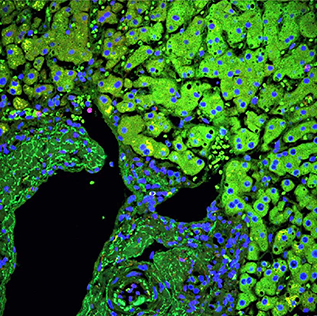
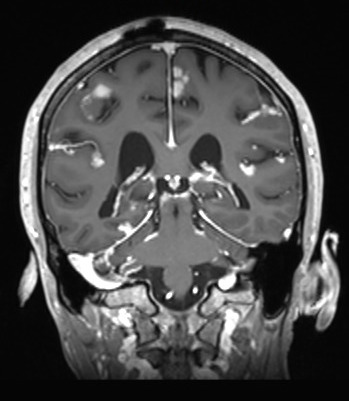
Metastasis to the Central Nervous System: As we have improved patient survival with more efficacious targeted and immune-checkpoint blokade therapies, we have observed a trend towards increased incidence of central nervous system (CNS) metastasis, including metastasis to the leptomeninges. Leptomeningeal metastasis is a poorly understood and rapidly fatal complication of many cancers (median survival 6-8 weeks) in which tumor cells metastasize to the CSF space. The biology of this process is entirely unknown and remains unexplored due to many technical difficulties, including the lack of access to site of tumor and lack of in vitro and in vivo models for this disease. In several cancer types, (i.e. melanoma, breast, lung, and lymphoma) the systemic tumors can be well controlled therapeutically but the CSF is the sole site of relapse. We hypothesize the meninges might act as a “sanctuary” site for cells on therapy. At this time, there are no efficacious FDA approved therapies specific for the treatment of metastasis to this site. Furthermore, diagnosis of this disease is a clinical challenge, even the gold standard for diagnosis results in a false-negative 50% of the time.
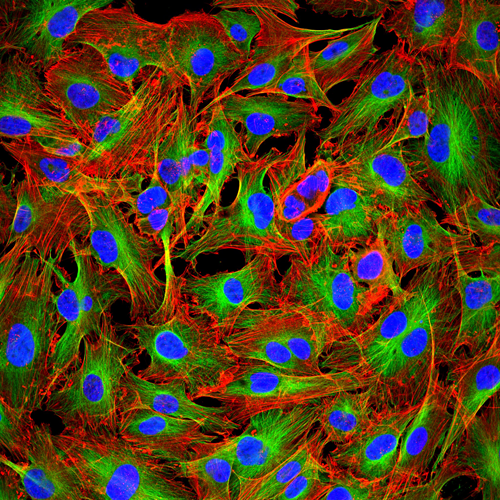
Metabolic Crosstalk in the Tumor Microenvironment: Traditionally metabolism has been viewed as a collection of catabolic and anabolic pathways that generate energy and biosynthetic precursors required for growth and survival. However, emerging evidence suggest broader roles for metabolic processes in controlling other aspects of physiology, including immune cell effector functions. Another goal of our research program is to define how metabolic heterogeneity of the tumor microenvironment promotes tumor growth and survival in the CNS.
Example Ongoing Research Projects
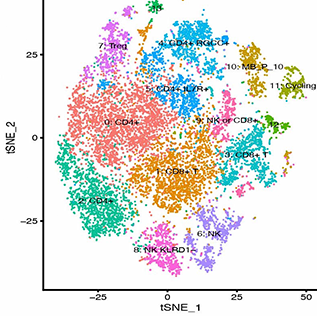
Project Focus 1: Dissecting the tumor microenvironment of leptomeningeal metastasis through spatial and single-cell multi-omic analysis.
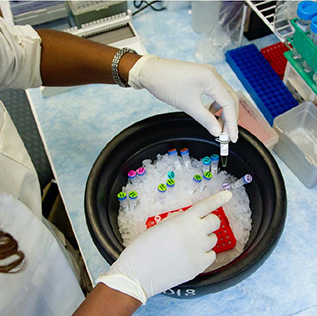
Project Focus 2: Improving the detection and diagnosis of leptomeningeal metastasis.
Project Focus 3: Roles of the metabolic landscape of TME in melanoma tumor growth and survival in the CNS
Project Focus 4: The role of the meningeal stroma in promoting tumor aggressiveness in leptomeningeal metastases
Project Focus 5: The role of aging in leptomeningeal disease
Novel Technologies
- Single-cell RNAseq and single-cell metabolomics (separate and in the same cell)
- Integrated spatial RNAseq and spatial lipidomics
- Biochemical diagnostic tools for enhanced detection sensitivity
- In vitro and in vivo models of brain metastasis and leptomeningeal metastasis
Join our team! We are currently recruiting graduate students, postdocs and research assistants. For more information visit the Opportunities page.